Web Development
We create custom web development solutions to serve your business goals. From initial UI/UX design and planning to launch and ongoing technical maintenance, we are your dedicated Swiss web agency.

Swiss Tomato is a family-led web and app development agency in Geneva and Zurich with extensive knowledge in catering for the needs of NGOs and non-profit organisations in a flexible and cost-effective way, thanks to our previous experience with 20+ non-profit clients.
Extensive expertise and proven processes in working with NGOs and Non-Profits.
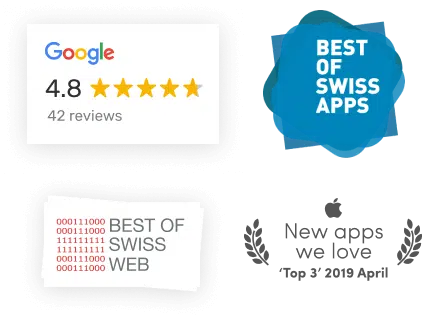
We are an award-winning mobile app development agency ever since 2015


DEVELOPER OF AN
APPLE FEATURED APP
(TOP 0.2%)

and above all
– loved by clients
Medium Sized agency – which means we have the flexibility to adapt to your needs
We want to make sure you have the product that will help you continue your NGOs valuable work, to help out, we have special NGO rates
We are your partner, not just a supplier! With a discovery phase we will help you solve the details and answer your questions
Proven experience with NGO and Non-Profits, as can be seen in our many references
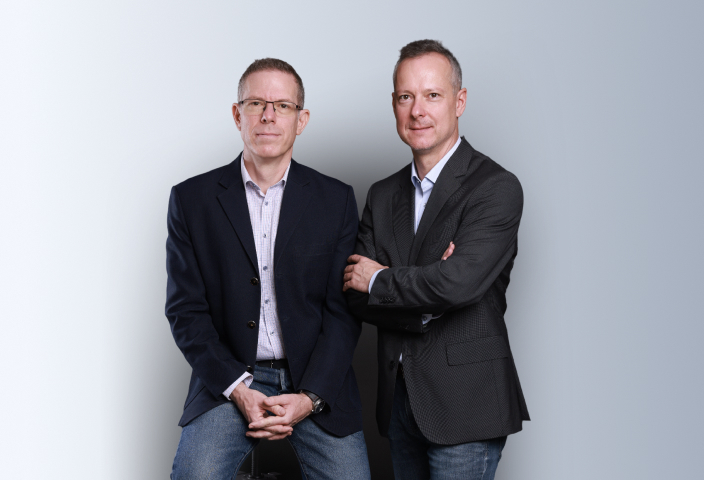
Swiss Tomato was founded by 2 brothers, as it is our name on the line, we work harder and smarter



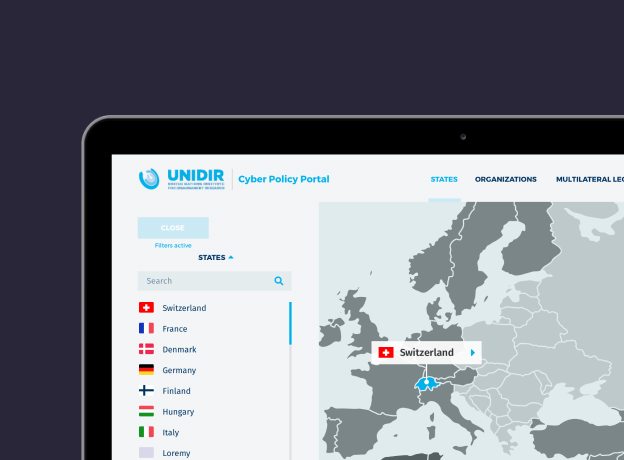
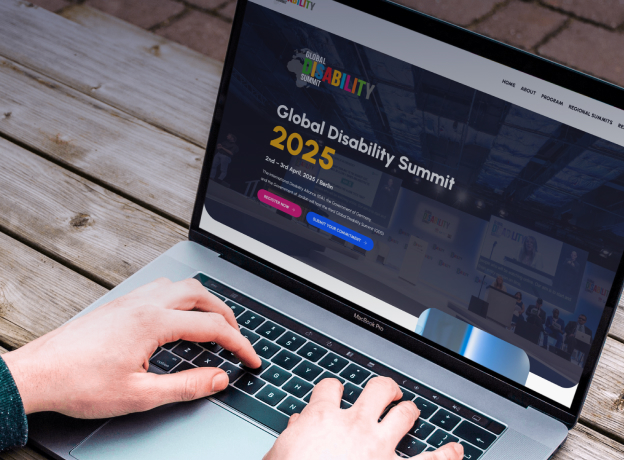

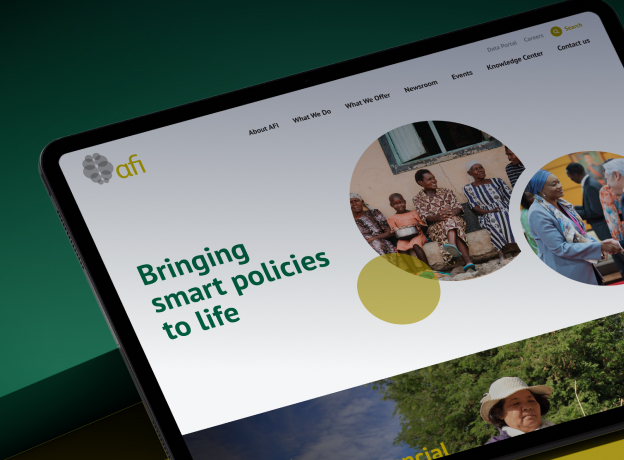
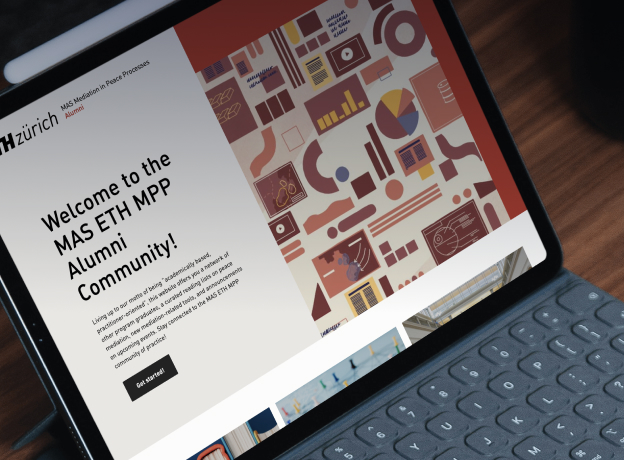

Non-profit organisation


International organisation


We worked with Swiss Tomato on the development of our new corporate website as part of a broader brand consolidation and digital transformation project. The challenge was significant, as the platform had to unify several legacy websites while clearly presenting complex industrial activities to different audiences.
They quickly understood our business environment and helped structure the site in a way that makes our services much clearer and easier to navigate. The result is a modern, scalable website that supports both our communication and business development objectives.
The collaboration was smooth, professional and very constructive throughout the project. We would gladly work with them again.


Swiss Tomato did a fantastic job redesigning our website within budget and to deadline. Great to work with, I would recommend them without hesitation.


I worked with Swiss Tomato on two complex IT projects a mobile app development with back-end and a Drupal based website development. We were very happy with the work of Swiss Tomato, they were proactive on how to translate our business needs into working IT Solutions. We were very satisfied with the proposed UX/UI solutions as well. I would be glad to recommend Swiss Tomato for web and mobile application development projects.


We feel very lucky to have found Swiss Tomato. They have ran our website redesign project to a very high level, and we’re grateful for their partnership. They’ve shown themselves to be experts in everything from design and UX to front and backend development, all the while carefully managing the project and the stakeholders on both sides of the aisle. Amazing value, can’t recommend them enough!


Can only but highly recommend them. Used them twice for previous engagements to completely revamping established websites. A breath of fresh air and emphatic customer service. The Swiss Tomato guys are fast, a pleasure to work with, patient and fun. In-depths know-how and always ready to share and to support. Great experience.


Very good project follow-up and very warm and professional contact


The experience of developing our project with Swisstomato has been highly satisfactory. With an excellent and professional technical team, at the same time flexible and always listening to our needs and expectations. A learning process that has brought us a result that meets our expectations. We would work with them again if the opportunity may arise.


Top Agency. Already worked with Swiss Tomato for various projects. always innovative and following the latest trends, Swiss Tomato has created intelligent and effective campaigns fitting my needs.

Swiss Tomato est une agence très professionnelle qui a aidé le journal La Liberté à faire sa transition vers l’information digitale en développant une application de grande qualité. Un vrai plaisir d’avoir pu collaborer avec cette agence.


Swiss Tomato designed and built a new website based on our new strategy. I really appreciated the hard work put in by all the team and the phenomenal product that resulted. In particular, I appreciated the design ideas, suggestions and their capacity to find solutions quickly and efficiently. Well done Swiss Tomato!



Practical AI tools for accessible digital platforms
We help NGOs improve access to information and simplify digital experiences through carefully implemented AI-supported solutions. Our focus is on practical tools that make large content libraries, reports and knowledge bases easier to navigate and manage.
Whether you’re enhancing an existing website or starting from scratch, trust Swiss Tomato for:
At Swiss Tomato, we dive deep into the realm of development, ensuring every project is a harmonious blend of innovation, functionality, and user-centric design.
If you’re working with a high-quality web agency, depending on the size of your website/application the creation of a website will take between 4 and 6 months, depending on its complexity.
Developing a high quality but simple website can take between 150-200 hours, whilst a more advanced website can easily involve upwards of 300-600 hours of development time. Ultimately the number of hours it takes to develop the website will define the final price.
1. Specifications
Clarifying all functional requirements for the website or application, creating a sitemap and all information that will be presented on each page as well as the structure of each page
2. Design
We develop a design an propose wireframe prototypes, which will allow an overview of where each page leads, following the brand guidelines for each organisation
3. Development
Once the design has been approved, our team of experts begin the development based on the specifications set out initially. This step does not require much input from Clients until a stage site or application is shared.
4. Testing and Bug fixes
Once the development has been completed, our experts test it initially, once it meets all the functional and design requirements, it is shared with the Client for external testing and approval. At this stage, any further bugs are fixed prior to setting the platform live and handing it over to the Client.
We know that you would like to have your website as fast as possible, but based on our 10 years of experience in the field, this is the time you need for a quality website.
For an NGO/NPO website, it’s essential to have certain features that resonate with the organisation’s mission and connect with the audience. Here’s what we recommend:
Who We Are Page:
A Who We Are page is crucial in any organisation as it portrays the identity and driving force behind the organisation. With the large number of NGOs present in Switzerland, each with its unique mission and vision, this page serves as a foundational introduction, enabling visitors to distinguish the organisation’s values.
It also helps in establishing credibility, as prospective donors, volunteers and stakeholders seek to understand the team, history and motivations before engaging and contributing. By offering insights into the NGO’s journey, challenges, successes and aspirations, the “Who We Are” page humanises the organisation, fostering a deeper connection and trust with the website users.
What We Do Page:
A What We Do page is very important for an NGO as it crystallises the organisation’s activities, projects and on-ground interventions. It translates the NGOs ethos into tangible actions and initiatives, providing clarity to visitors, donors and partners about the strategies employed and the impact they create.
By showcasing real-world implementations and outcomes, this page reinforces the organisation’s commitment to its cause, offering a clear picture of how resources, funds, and volunteer efforts are channelled. For potential supporters, understanding the practical aspects of an NGO’s work is essential, as it aids in informed decision-making and fosters a sense of trust and confidence in the organisation’s ability to bring about positive change.
Donations Page:
A donations page is indispensable to an NGO website because it serves as a direct conduit between the organisation’s mission and the public’s ability to support it. It provides a clear and immediate avenue for financial contributions, as well as underlines the tangible needs of the organisation.
A well-constructed donations page educates visitors on how their funds will be utilised, fostering transparency and trust. It amplifies the urgency of the cause and motivates immediate action. By offering a streamlined and secure platform for donations, NGOs can capitalise on spontaneous generosity, increase funding, and further their impact in their respective fields.
The Board Page:
A “The Board” page is integral for an NGO website as it presents the guiding minds and leadership steering the organisation. This page introduces visitors to the individuals responsible for decision-making, strategic direction, and oversight, providing a layer of transparency and accountability. By highlighting the qualifications, experiences, and dedication of board members, the organisation reinforces its credibility and legitimacy in the eyes of donors, partners, and the general public.
Knowing who is at the helm can instil confidence in stakeholders, assuring them that the NGO is in capable hands. Additionally, showcasing the board’s diversity and expertise can underscore the organisation’s commitment to a holistic and well-rounded approach to its mission, reflecting a synergy of different skills and perspectives all working towards a shared goal.
Donors Page:
A “Donors” page is vital for an NGO website as it acknowledges and celebrates the contributions of those who financially support the organisation’s mission. This page not only offers gratitude to the donors but also serves as a testament to the collaborative nature of change-making, emphasising that the NGO’s achievements are a collective effort.
Recognizing donors publicly can instil a sense of pride and further commitment among existing supporters, while simultaneously encouraging potential donors by showcasing a community they can join. Moreover, a well-maintained donors’ page exudes transparency, allowing visitors to see who else is backing the organisation, which can be especially reassuring if there are notable or reputable individuals and institutions among the supporters. In essence, a donors’ page can act as a catalyst for future contributions.
Financial Information Page:
A “Financial Information” page epitomises transparency and accountability, two cornerstones of trustworthiness in the nonprofit sector. Donors, partners, and the general public often want assurance that funds contributed to an organisation are used well and directly further the cause. By providing clear, detailed financial statements, budget allocations, and expenditure reports, NGOs demonstrate a commitment to fiscal responsibility and openness.
This openness not only bolsters confidence among existing supporters but can also attract potential donors who seek organisations with transparent financial practices. Moreover, in an age of increased scrutiny of NGOs and calls for greater transparency, a dedicated financial information page stands as a proactive testament to the organisation’s dedication to honesty and integrity in all its dealings.
Events Page
A page dedicated to communicating Events is often crucial for NGOs, as events can bring the most interaction and support the vision of a non-profit organisation. By clearly communicating events on a website, visitors are more likely to interact with the organisation, join events and eventually become partners or supporters. Spreading knowledge at events is also the easiest way to get visitors involved and receive donations to support a non-profit organisation’s cause.
News & Blogs
Non-profit organisations often have lots of news to share, articles and press releases need an organised page that can be easily updated through a website’s CMS whenever needed. Uploading new content can help in keeping visitors engaged, and increases user friendliness as well as keeping an NGO at the top of mind for supporters. New content can also help in increasing SEO scores, allowing visitors to find your site faster on their search engines.
Map view
With non-profit organisations often having multiple offices and covering causes in many countries, a map view provides the most user friendly visualisation. Using different map plugins on a website and application can allow for lots of information to be available, easily filtered and searched. It also allows users to have the most important information available after one click, or being redirected to the relevant pages that provide further knowledge.
Depending on the complexity of a website or app the price and development time varies significantly. The costs are calculated based on the hours of development a project requires.
Websites are most often developed using WordPress or Drupal. The hourly fees for Drupal development are 15% higher compared to WordPress. You can read more about the topic in our article about website development costs.
Mobile applications are similar in the sense of costs being calculated based on the development hours, these can range between 250-1’500 hours depending on complexity. Find out more in the“app development cost article.
Swiss Tomato’s team combines Switzerland-based experienced account managers with experienced developers and designers in Budapest to provide you with the best value.
A website is for an NGO/NPO a strong medium to communicate about your organisation, your cause and your stakeholders. A good website will build your profile as an organisation, create trust from your funders, build advocacy and engage the community.

Your website often serves as the initial touchpoint for supporters and interested parties with your organisation.
By the time an individual reaches out to your NGO/NPO, they’ve already done significant research and have formed opinions. Most of their information gathering happens online. A well-designed and easily navigable website is fundamental for those looking to understand and potentially support your cause.
On the other hand, an outdated or non-responsive website design can deter potential supporters. Studies, including one from Adobe, highlight that 38% of individuals disengage from websites with unappealing layouts. It’s crucial for an NGO/NPO to represent its mission effectively online.

A supporter’s or donor’s journey, from awareness to contribution, can be seamlessly navigated on your website if it’s designed with that intent in mind. This entails curating content and refining the design to guide them through every phase of their engagement journey.
Our skilled team of web designers is dedicated to customising calls-to-action, opt-in forms, and other design aspects to meet the expectations of your supporters and donors at each stage.
Conversely, a poorly designed website might lack a clear pathway for supporters or donors to tread. When faced with the uncertainty of their next step, interest wanes rapidly. It’s alarming that 70% of NGO websites don’t incorporate clear calls-to-action on their homepage and across their sites. Such an oversight is a considerable missed chance for deeper engagement.

Your website stands as one of the most pivotal online marketing instruments for your NGO/NPO. Consequently, its content is instrumental in conveying your organisation’s ethos and identity to your target audience.
Promotions and outreach activities that funnel back to specific pages on your site serve to consistently reaffirm your brand to both regular supporters and potential donors.
An inconsistency between your website and your brand identity can sow seeds of doubt. When confronted with such a disparity, audiences often find their trust in your organisation wavering.
WordPress development: The most widely used CMS in the world, thanks to its fast loading times, SEO-optimised content and user-friendly, simple CMS. Well suited for non-profits and up to medium complexity websites, supporting up to 5 languages and 100 pages. WordPress websites are cost-effective and have the fastest development time.
Drupal development: Very robust CMS, widely used by non-profits and larger organisations. As it is an open-source technology, it is always up to date, providing excellent performance and first-class security. Drupal development is perfect for multi-country, multi-language websites, however they are more expensive than WordPress websites.
Custom or web app development: Some projects require a custom development strategy. For this our web design agency suggests custom development with PHP, Javascripts, VueJS, React and NodeJS. In custom development everything can be personalised to fit your needs.
Mobile app development technologies:
Native app development:
It involves creating apps using the official systems provided by Apple and Google: Swift for Apple and Kotlin for Android. These apps utilise the phone’s full hardware potential and ensure smooth integration with third-party SDKs. However, it requires expertise in both iOS and Android development for optimal performance.
Cross-platform app development:
It employs a singular framework to build apps for multiple platforms, simplifying the development process. Popular cross-platform technologies include Xamarin, React Native, and Flutter, with the latter being our recommended choice due to its growing popularity and cost-effectiveness for simpler apps. However, for intricate apps with advanced future functionalities, native development remains superior.
Tell us about your idea and we’ll help shape it into a clear project scope, timeline and estimate.
Our team in Geneva and Zurich is ready to listen.
Reach out to us — we’d be happy to discuss your project.